

Over the past few years, the way people care for their animals has changed dramatically. Dogs and cats are no longer simply companions – they are widely considered members of the family. As a result, many owners are paying closer attention to their pets’ nutrition, lifestyle, and overall wellbeing.
Alongside improved diets and preventative veterinary care, natural supplements have become increasingly popular. One topic that has received growing attention is CBD for Pets.
Although CBD products for humans are now widely recognised in the UK, many pet owners are still learning about how CBD works and what the current regulations are for animals. Understanding the basics of CBD, how it differs from THC, and how it is regulated can help owners make informed decisions.
This guide explains what CBD is, how it interacts with animals, and why CBD for Pets is becoming a widely discussed topic in the UK pet wellness community.
What Is CBD?
CBD stands for cannabidiol, a naturally occurring compound found in hemp plants. Hemp is part of the Cannabis sativa plant family, but it is cultivated specifically to contain extremely low levels of THC.
THC is the compound responsible for the psychoactive effects associated with cannabis. CBD, however, does not produce any intoxicating effects.
Most reputable CBD products available in the UK are produced using hemp varieties that contain very small amounts of THC. Many manufacturers also remove THC entirely during the extraction process to create THC-free CBD products.
This is particularly important when discussing CBD for Pets, as animals are far more sensitive to THC than humans.
Why Pet Owners Are Interested in CBD
Across the UK, pet owners are becoming increasingly focused on preventative health and wellness for their animals. From high-quality diets to natural supplements, the goal is often to support long-term wellbeing.
As awareness of CBD has increased in the human wellness market, curiosity about CBD for Pets has naturally followed.
Many owners researching CBD are simply looking to understand whether plant-derived supplements could play a role in supporting their pets’ overall wellbeing.
It is important to emphasise that responsible CBD companies do not make medical claims about their products. Instead, they focus on general wellness support and transparency around ingredients.
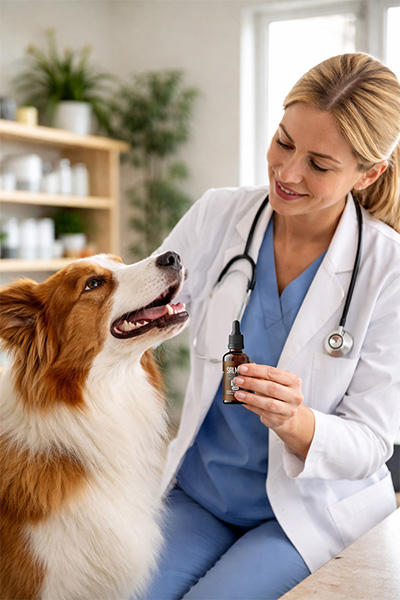
The Endocannabinoid System in Animals
One reason CBD has attracted scientific interest is the presence of the endocannabinoid system (ECS) in many mammals.
Dogs, cats, and humans all possess this system. It consists of receptors located throughout the body that interact with compounds called cannabinoids.
Researchers believe the ECS plays a role in maintaining internal balance, also known as homeostasis.
While research into cannabinoids and animals is still developing, the existence of the ECS has contributed to increased curiosity around CBD for Pets.
THC-Free Formulations for Animals
Because animals can be highly sensitive to THC, responsible CBD products for pets are typically designed to be THC free.
THC-free products aim to ensure that animals are only exposed to cannabidiol without the psychoactive compound associated with cannabis.
Reputable manufacturers usually confirm THC levels through independent laboratory testing. These tests can verify that the product contains the advertised amount of CBD and that THC levels are either zero or extremely minimal.
For pet owners researching CBD for Pets, checking laboratory testing is often considered a key part of choosing a reliable product.
The Role of the Veterinary Medicines Directorate
In the UK, products designed for animals fall under the oversight of the Veterinary Medicines Directorate (VMD).
The VMD regulates veterinary medicines and ensures that products intended for animal health meet safety and quality standards.
Currently, CBD products for pets exist within a developing regulatory environment. The VMD evaluates whether certain products may fall under the definition of veterinary medicines depending on how they are marketed.
Because of this, reputable companies discussing CBD for Pets avoid making strong medical claims about their products.
Ongoing Industry Developments
The CBD industry continues to evolve, and the regulatory landscape for pet products is gradually developing.
Industry groups, veterinarians, and animal health product experts are currently working together on a formal application relating to CBD products intended for animals.
This application is expected to be submitted to the VMD and will include scientific information regarding safety, quality, and product standards.
Many experts hope this submission may help establish clearer guidelines for CBD for Pets in the UK.
The application is currently being prepared by registered veterinarians and animal health specialists and may be submitted within the coming year.
Choosing Quality CBD Products
For pet owners who are researching CBD products, quality and transparency are essential.
When evaluating CBD products, owners often look for:
• Third-party laboratory testing
• THC-free confirmation
• Clear ingredient lists
• Reputable hemp sourcing
• Transparent manufacturing practices
These factors can help ensure that products marketed as CBD for Pets meet appropriate quality standards.
The Future of CBD in Pet Wellness
Interest in natural pet wellness continues to grow across the UK.
As research expands and regulatory discussions progress, the conversation around CBD for Pets is likely to continue evolving.
Future developments may provide clearer guidance for manufacturers, veterinarians, and pet owners alike.
For now, responsible product sourcing, transparency, and veterinary guidance remain key considerations for anyone researching CBD products for their animals.