
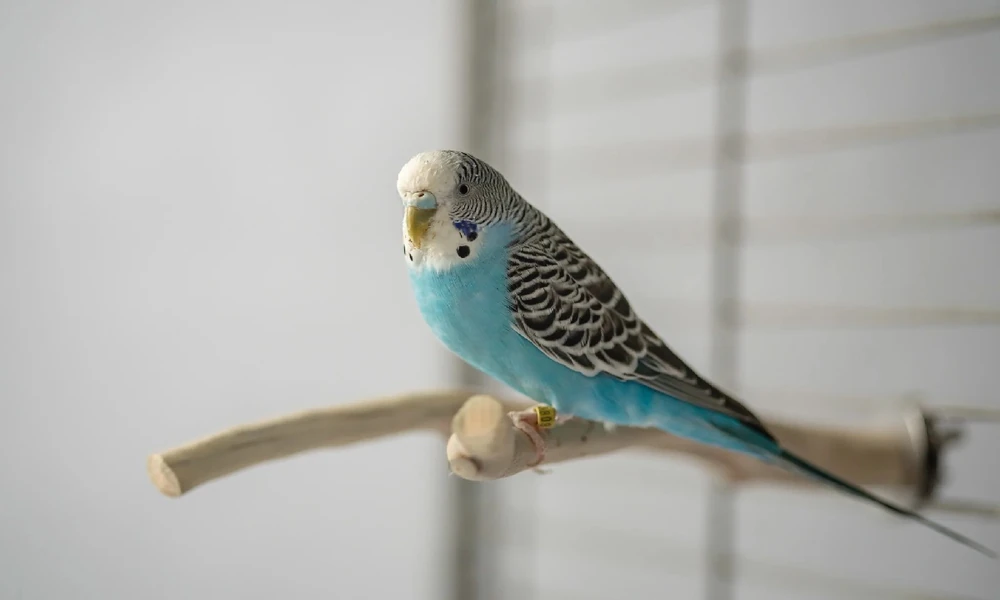
Most pet bird problems trace back to a handful of repeated mistakes, i.e., seed-only bird food, bare cages with no bird toys in sight, and skipping the adjustment period new birds actually need. Fixing these five habits is often enough to turn a stressed, bored bird into a healthy, active one.
Mistake #1: Feeding a Seed-Only Diet
This is the single most common mistake in pet bird care. Seeds are high in fat but low in vitamin A, calcium, and protein, and a seed-heavy diet is linked to obesity, liver disease, and weakened immunity in companion birds. Understanding the different bird food types available and combining them correctly is the fix.
Here’s how the main bird food types typically break down for most companion parrots and parakeets:
| Bird Food Type | Recommended Share of Diet | Purpose |
| Formulated pellets | 60-80% | Complete, balanced daily nutrition. |
| Fresh vegetables | 10-25% | Vitamins, minerals, hydration. |
| Fruit | 5-10% | Variety, natural sugars in moderation. |
| Seeds and nuts | 5-10% | Occasional treats, training rewards. |
Avian veterinarians generally recommend pellets as the foundation of daily bird food, with seeds treated as a garnish rather than the main course.
Mistake #2: Skipping Toys and Enrichment
Birds are intelligent, social animals, and a cage with just a perch and a food dish leaves them understimulated. Boredom in pet birds commonly shows up as feather plucking, excessive screaming, or aggression; not just quiet unhappiness.
Every cage needs at least one bird toy that encourages a natural behavior: chewing, foraging, climbing, or shredding.
A well-rounded toy setup usually includes:
- A foraging toy that hides treats or pellets to slow down eating.
- A chewable wood or leather bird toy.
- A swing or ladder for physical activity.
- A rotating “extra” bird toy swapped in weekly.
Rotate toys every 5-7 days. Make sure not to leave the same one in the cage indefinitely. Birds lose interest quickly, and a stale environment is a common driver of destructive behavior.
Mistake #3: Overlooking Species-Specific Diet Needs
Not every bird eats the same way, and treating all species as needing identical bird food is a mistake that shows up in smaller, social species like lovebirds.
Lovebirds need a diet built mostly around pellets. About 60-80% of what they eat should be high-quality pellets. The rest is a mix of fresh veggies, a little fruit, and seeds, but seeds should stay a treat, not a meal.
Love birds food should include:
- Dark leafy greens every day – kale, spinach, dandelion greens all work well.
- Bell peppers, carrots, and peas thrown in for variety.
- A few berries or a slice of apple now and then, as a treat.
- A cuttlebone or mineral block in the cage for calcium.
- Clean water, changed daily. Lovebirds drink a lot and love to bathe in it too.
Mistake #4: Skipping Regular Avian Vet Checkups
Birds are prey animals by instinct. This means they hide signs of illness until a condition is fairly advanced. By the time you notice something’s wrong, it’s often already gone on for a while.
An annual checkup with a vet who actually knows birds can catch problems early, like poor nutrition, breathing issues, or feather and beak problems, while they’re still easy to fix.
Between checkups, keep an eye out for:
- Feathers puffed up, or your bird sitting low on the perch during the day.
- Any change in droppings, appetite, or vocalization.
- Less activity, or a sudden reluctance to fly or climb around.
Mistake #5: Misjudging the New-Bird Adjustment Period
You bring home a new bird and want it to like you right away. That is totally understandable, but it rarely works that way. Most birds settle in following a rough pattern people call the 3-3-3 rule:
About 3 days just to decompress, 3 weeks to get used to a routine and start showing some personality, and around 3 months before they really trust their new home.
Give a new bird room to breathe those first few days. Keep things calm and predictable and let trust build on its own. Feed them consistently, sit near the cage quietly, and let them come around at their own pace instead of yours.
Conclusion
Most pet bird care mistakes come down to defaulting to what’s easy, like an all-seed bowl, a bare cage, or delayed vet visits, rather than what the bird actually needs. Rebuilding around varied bird food, regular enrichment with a rotating bird toy, species-specific attention, and a little patience during the adjustment period covers most of what goes wrong in pet bird homes. Small, consistent changes here tend to matter more than any single big fix.
FAQs
Q. What Is The Best Thing To Feed Birds?
A good pellet mix should be the backbone of the diet, around 60-80% of what they eat daily. Add in fresh vegetables, a bit of fruit, and keep seeds and nuts as occasional treats, not the main event.
Q. What Kind Of Food Do Birds Typically Eat?
Most pet birds do well on pellets, fresh veggies, a little fruit, and a small amount of seed. In the wild, birds eat a much wider range, such as seeds, bugs, and leaves, but pellets are designed to cover that same nutritional ground in captivity.
Q. What Are The Best Bird Toys?
A well-rounded toy setup covers a few different needs. It includes something to forage in for mental stimulation, a wood toy for chewing (good for their beak), and a swing or ladder to keep them moving. Swap out 2-3 toys every week or so. Birds get bored with the same toy just like we would.
Q. Are Pet Birds Easy To Care For?
Pet birds are manageable but not low-maintenance. They need daily social interaction, a varied diet beyond seeds, regular toy rotation, and annual avian vet visits. Species like budgies and canaries are generally easier for beginners than larger, more socially demanding parrots.
Q. What Is The 3-3-3 Rule For Birds?
The 3-3-3 rule is a general guideline for adjustment: about 3 days for a new bird to decompress, 3 weeks to settle into a routine and show more personality, and roughly 3 months to fully bond and feel secure in its new home.