
Vets recommend neutering most male cats. There are reasons why they suggest having your male cats to be neutered. Unless, you plan to breed your cat and keep him indoors. Neutering reduces the risk of unwanted behaviors and health problems to your cats.
Any procedure that involves surgery causes anxiety for pet owners. Understanding the benefits of neutering a male cat (ทำหมันแมวตัวผู้) helps cat owners decide to have it for their furries.
Neutering in cats
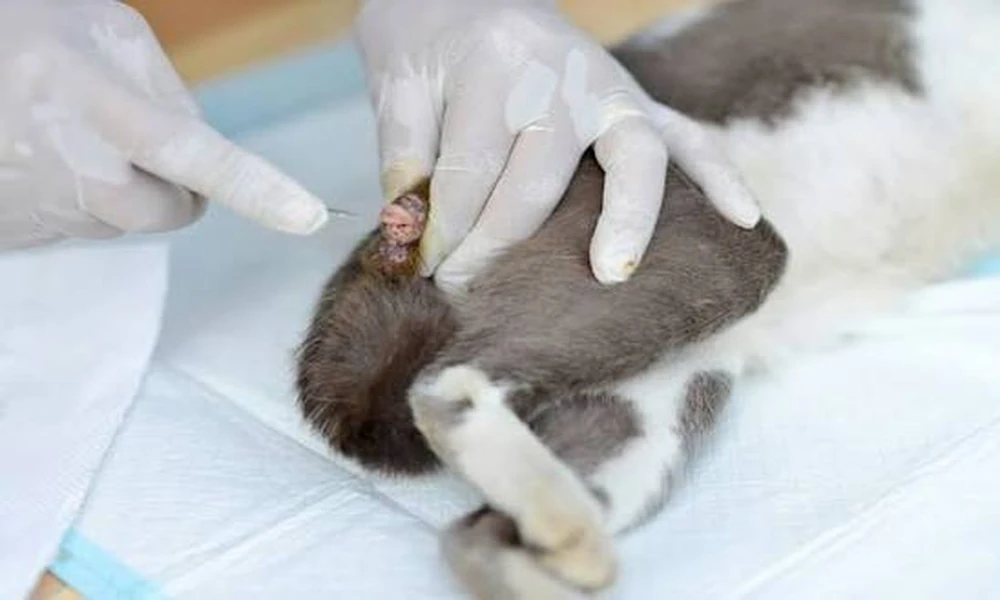
Neutering is known as feline castration or getting your cat fixed. It is a surgical procedure to remove your cat’s testicles.
The veterinarian makes a small incision over the scrotum and removes the testicles. The wound is small and heals well on its own. Skin sutures are not necessary unless an abdominal exploration for retained testicles was completed. The veterinarian performs a scrotal ablation in case of:
- trauma
- infection
- cancer
Ablation is the removal of the following:
- scrotum
- testes
There are advantages to neutering your cat. The biggest incentive for owners is the decreased risk of health problems, such as testicular cancer.
Neutering changes a cat’s behavior when young. It makes cats less aggressive and decreases the probability of:
- cat bite abscesses
- contracting FIV from cat fights
Neutering prevents male cats from breeding. This reduces the cat population to lessen the risk of overpopulation. Male cats do not need to go through heat cycles to breed. Neutering is a responsible decision, as the number of cats in shelters and feral cats is very high.
Side effects of neutering your cat
There are benefits to neutering your cat:
- Prevents unwanted breeding
- Reduces roaming
- Decreases aggressiveness
- Eliminates spraying
- Reduces risk of contracting Feline Immunodeficiency Virus
- Reduces risk of testicular cancer
Neutering comes with behavioral side effects. This makes your cat a better pet. Neutering at a younger age decreases male aggressiveness. This lessens the risk of your cat:
- fighting with other toms
- getting injured
Neutered cats do not roam often. It reduces the risk of injury from:
- cars
- wild animals
- toxins
Intact male cats are known for:
- marking areas
- spraying areas with urine
This is a behavior to mark their territory. It quickly becomes a problem as cat urine is hard to eliminate from living spaces. Neutering later will not cure this behavior. Neutering young cats lowers their behavior marking.
FAQs
What to expect in cats after being neutered?
Male cats stop spraying in six months after being neutered. Cats still spray long after being fixed. Cats experiencing a stressful situation may engage in urine marking, such as:
- change in environment
- addition of new pets to the home
Will a neutered cat calm down easily?
Many neutered cats are:
- less territorial
- aggressive toward other animals
This is due to a reduction in male reproductive hormones.
Will a neutered cat try to mate?
Yes. There are some instances when a neutered cat experiences sexual urges and tries to mate. A male cat neutered at a later age still has testosterone in his system. Testosterone can induce sexual activity. It takes weeks or months for testosterone to disappear from the body.
What are some complications of a neutered feline?
Neutering is a routine procedure. Some rare complications arise, including:
Can you neuter a cat at home?
It is against the law to neuter animals at home. It is a medical procedure that requires an anesthetic. You could kill the animal you are attempting to neuter. You must take the cat to a licensed veterinarian to be neutered.
Neutering a cat at a younger age can:
- decreases male aggressiveness
- reduces their risk of fights with other cats