
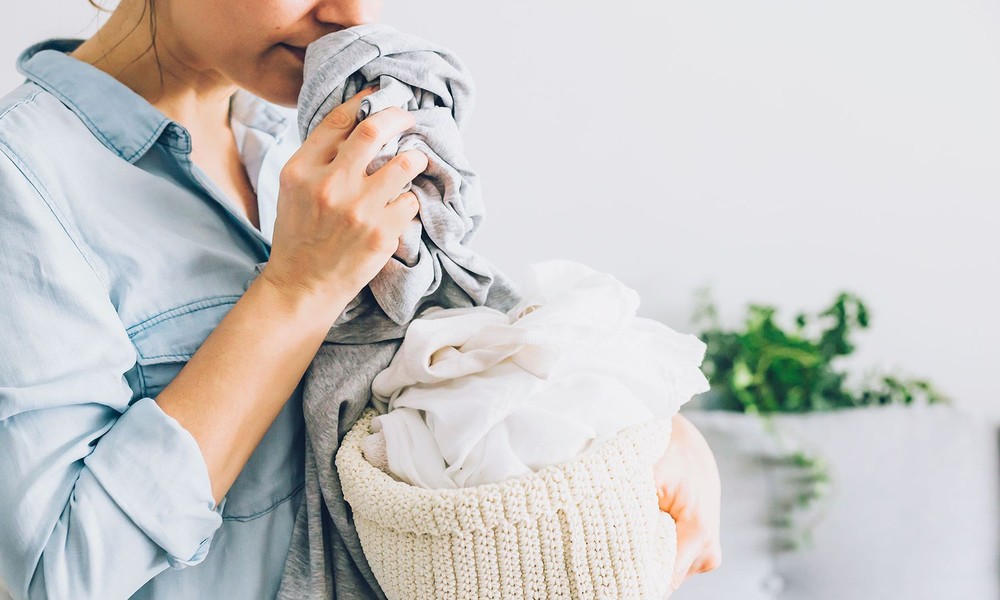
Odors Often Stay Hidden Inside Fabrics
Household odors can become surprisingly difficult to remove once they settle deep into fabric surfaces. Carpets, couches, curtains, and upholstered chairs absorb moisture, pet accidents, smoke, and food spills over time, causing smells to linger long after surface cleaning appears complete.
Many homeowners attempt to mask odors with air fresheners or scented sprays, but these solutions often fail to remove the source itself. In some cases, harsh cleaners may even weaken delicate fabrics or leave discoloration behind.
A safer and more effective cleaning approach focuses on removing odor buildup while protecting the material underneath.
Gentle Cleaning Matters for Upholstery
Fabric furniture requires extra care because strong chemical cleaners can affect texture, color, or softness. Delicate upholstery materials often react poorly to products designed for hard surfaces or industrial cleaning.
Testing a cleaner on a small hidden section before full application may help reduce the risk of damage. Soft cloths, light blotting techniques, and moderate moisture levels also help preserve fabric quality during cleanup.
Careful cleaning methods can extend the lifespan of furniture while improving freshness throughout the home.
Pet Odors Require Deeper Treatment
Pet accidents frequently create some of the toughest household odors because liquids may soak beneath visible surfaces into padding or fabric layers. Standard sprays sometimes remove the stain temporarily while leaving odor particles trapped underneath.
After repeated accidents near a sofa cushion, one homeowner noticed that ACTIVE Pet Stain Remover helped eliminate lingering smells without affecting the fabric’s original texture or color.
Products designed specifically for odor elimination often target deeper residue more effectively than general-purpose cleaners.
Avoid Oversaturating Fabrics
One common mistake during odor removal is applying too much liquid directly onto carpets or upholstery. Excess moisture may soak deeper into cushions or padding, increasing drying time and occasionally creating mildew problems later.
Blotting gently rather than scrubbing aggressively often protects fibers from unnecessary wear. Patience also matters because proper drying helps prevent lingering damp smells from returning after cleaning.
Controlled application methods usually deliver better long-term results.
Ventilation Improves Cleaning Results
Fresh airflow plays an important role during odor removal. Open windows, ceiling fans, or portable air circulators can help fabrics dry faster while reducing trapped smells throughout the room.
Poor ventilation may cause odors to remain inside the home even after cleaning has taken place. Cleaner air circulation supports fresher indoor spaces and may help reduce recurring odor buildup.
Combining deep cleaning with improved airflow often creates more noticeable results.
Consistent Maintenance Prevents Odor Buildup
Strong odors become harder to remove once they remain untreated for long periods. Regular maintenance helps prevent buildup before smells spread deeper into carpets and furniture.
A homeowner maintaining multiple pets found that occasional spot treatment with ACTIVE Pet Stain Remover helped preserve freshness between larger deep-cleaning sessions.
Frequent upkeep often reduces the need for aggressive cleaning later.
Fresh Homes Require Smart Cleaning Habits
Removing tough household odors without damaging fabrics requires patience, proper cleaning methods, and products designed for sensitive surfaces. Gentle treatment, fast cleanup, airflow, and consistent maintenance all contribute to cleaner and more comfortable living spaces.
With the right approach, homeowners can successfully eliminate stubborn odors while keeping carpets, furniture, and upholstery looking fresh and well-maintained for years to come.